
Food Safety Club – Nigeria
Catching Them Young:
Combating Food Poisoning Through Education in Nigerian Schools
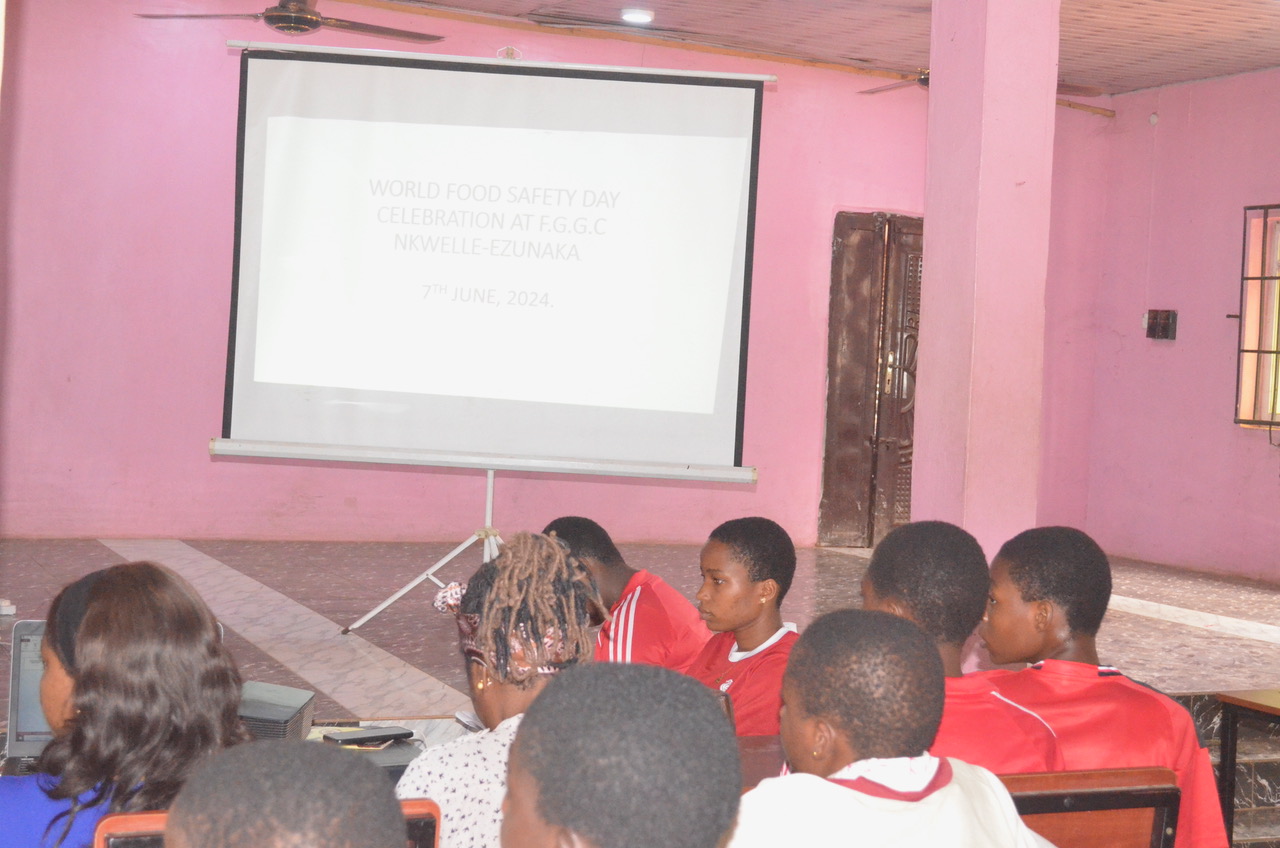
In Nigeria’s educational landscape, a dedicated teacher is making waves in the fight against foodborne illnesses. Emmanuel Chidi, a college teacher and microbiologist with a master’s degree in food and industrial microbiology, has established a transformative food safety club at the Federal Government College in Nigeria. His innovative approach targets students between 11 and 17 years old, addressing a critical public health challenge that affects 90% of student clinic visits at his boarding school.

The Crisis Behind Closed Doors
Emmanuel’s investigation into his school’s medical records revealed an alarming pattern: food poisoning cases consistently dominate student health complaints, with symptoms including stomach aches, headaches, and diarrhea appearing regularly. The situation intensifies dramatically following visiting days when parents bring food for their children. Within 48 hours after these visits, the health center becomes overwhelmed with food poisoning cases as students consume leftovers that have been stored improperly in temperature danger zones for extended periods.
The root causes extend far beyond the school walls. Nigerian households face significant infrastructure challenges that make food safety practices nearly impossible to implement. Many families lack consistent running water and reliable electricity—fundamental necessities for proper food handling. Without steady water supply, households cannot adequately wash ingredients separately to prevent cross-contamination, forcing them to use basins where all ingredients are submerged together. The absence of reliable electricity means cooked food cannot be properly refrigerated, leaving it vulnerable to bacterial growth at dangerous temperatures.
This infrastructure deficit, combined with widespread lack of food safety education, creates a perfect storm for foodborne illnesses. Emmanuel recognized that approaching adults already burdened with daily responsibilities would prove ineffective. Instead, he adopted a “catch them young” philosophy, believing that embedding food safety knowledge in children while their minds remain receptive will create lasting behavioral changes that they’ll carry into adulthood and eventually pass to future generations.
Breaking the Cycle Through Strategic Investment
Emmanuel’s food safety club represents more than classroom instruction—it’s a lifeline for vulnerable students. However, maintaining student engagement presents unique challenges. After full days of academic classes, hungry students struggle to attend additional 30-minute club meetings. The practical reality is stark: children cannot learn effectively when their stomachs are empty. Emmanuel has identified that providing simple snacks during meetings would dramatically improve attendance and participation, transforming the club from an optional activity into an eagerly anticipated gathering.
Beyond immediate nutritional needs
Emmanuel envisions expanding his impact through greater community outreach. His aspirations include radio presentations and recruiting other teachers across Nigerian unity colleges to establish similar clubs, creating a nationwide network of food safety education. However, these ambitious plans remain constrained by limited personal resources. As a teacher without high income, Emmanuel requires financial support to scale his proven model and reach thousands more students who desperately need this life-saving knowledge.