
Preventing Paralysis:
A Scientific Mission to Make Cassava Safe for Millions
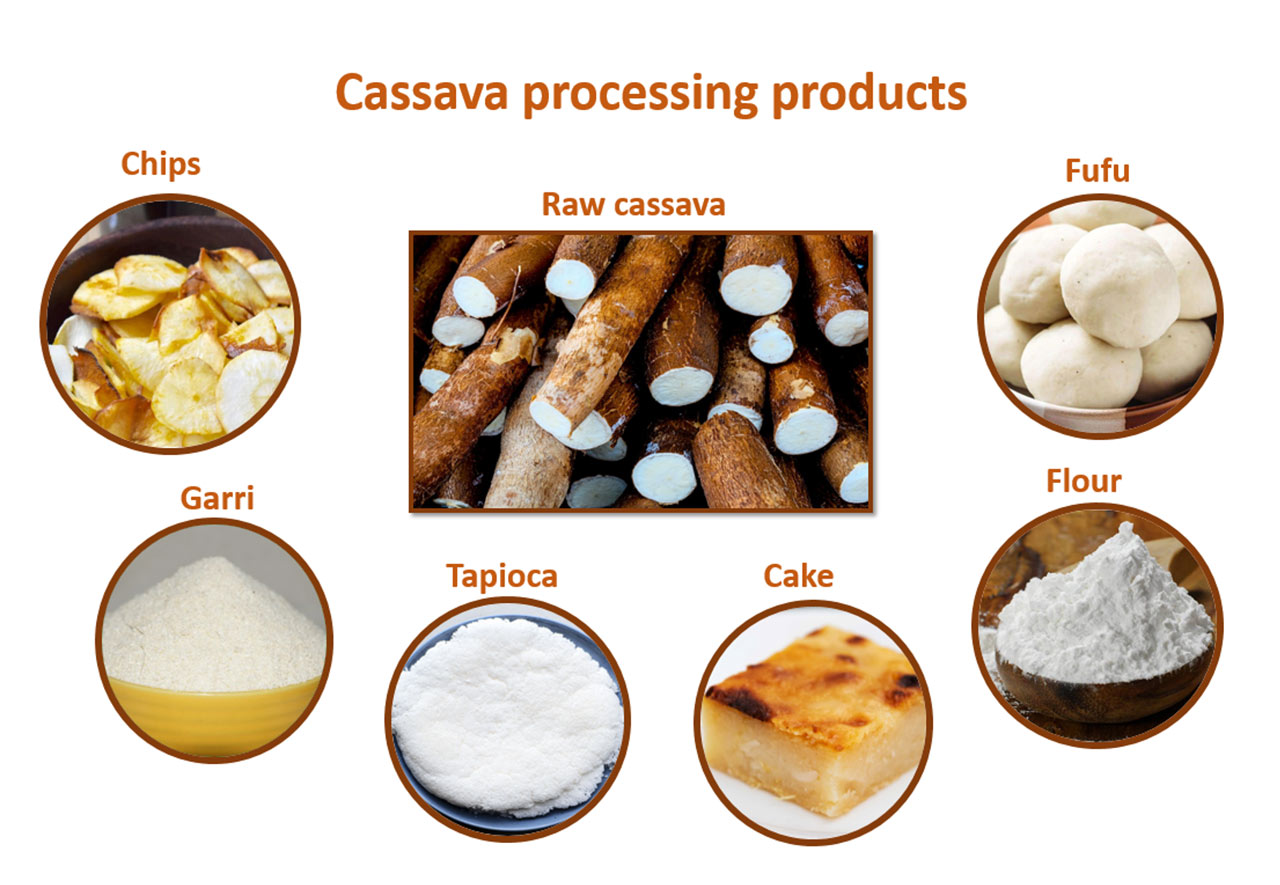
Cassava stands as a cornerstone staple food across sub-Saharan Africa, sustaining millions of families daily. Yet this vital crop harbors a deadly secret when improperly processed: cyanogenic glycosides that release toxic cyanide, causing acute poisoning, chronic toxicity, and konzo – a devastating form of paralysis predominantly affecting children. Professor Obadina, a lecturer and researcher at the Federal University of Agriculture in Abeokuta, Nigeria, has dedicated two decades to addressing this public health crisis through rigorous scientific research and community-based interventions that could save thousands of lives across the continent.
Video: Interview with Prof. Obadina
The Hidden Danger in Africa’s Food Supply
Cassava exists in two primary varieties: bitter cassava with high cyanogenic glycoside concentrations, and sweet cassava with lower levels. Nigeria has largely overcome cassava toxicity challenges through proper processing methods – including thorough peeling, fermentation, and heat application – combined with cultivation of safer varieties. However, neighboring countries face catastrophic consequences. The Democratic Republic of Congo has recorded between 5,000 and 10,000 konzo cases across multiple outbreaks since the 1980s and 1990s, with thousands of children suffering permanent paralysis. Mozambique and Tanzania have reported sporadic cases linked to drought periods and conflicts when desperate populations rely on inadequately processed cassava.
The correlation between food security and food safety creates a vicious cycle: during scarcity, people cannot afford the time required for proper processing methods that remove toxins. Symptoms may appear weeks after consumption, obscuring the connection between cassava and illness. Many affected families never seek hospital treatment, relying instead on traditional remedies, which means official data drastically underrepresents the true scale of suffering. Professor Obadina emphasizes that effective policy formation requires robust data—precisely what Africa’s public health systems lack.
A Multi-Phase Strategy for Sustainable Change
Professor Obadina’s Safe Cassava Project employs a comprehensive, data-driven approach spanning four critical phases.
This holistic approach addresses technical, educational, and cultural dimensions simultaneously.